Product
The Indispensability Trap
In November, the stock market priced Jensen Huang's bus factor. It came in around a trillion dollars. Your organization's number is smaller — but it's not zero, and your promotion system is making it bigger.

Product
In November, the stock market priced Jensen Huang's bus factor. It came in around a trillion dollars. Your organization's number is smaller — but it's not zero, and your promotion system is making it bigger.

Product
Tech spent a decade hiring people to perform growth, then started firing people to perform discipline. The bamboo control tower never came down — it just got repainted. And underneath the official org chart, a shadow economy is what actually keeps the planes landing.

leadership
The petition to bring Jensen Huang back assumes Nvidia can't function without him. That isn't an argument for reinstatement. It's an admission of failure — and a design review every product leader should run on their own organization.

Product
Nvidia's CEO just resigned, Anthropic is about to go public with $26 billion of its own vendors' money inside the deal, and OpenAI is circling the airport under a mountain of SoftBank debt. Different stories. Same shape.
tech
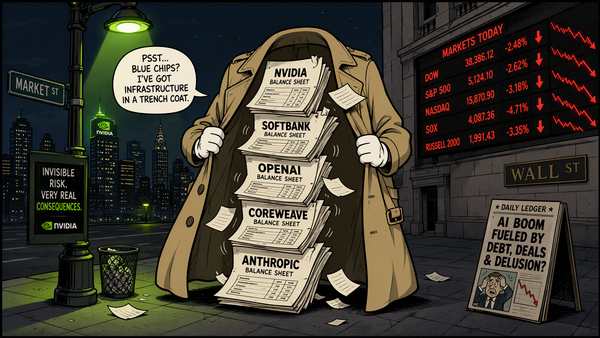
Nvidia stopped being a chip company years ago. It became the bank of the AI buildout — supplier, customer, investor and financier to its own customers. On Thursday, the banker resigned. What happens to the $20B web of GPU-backed loans now?
tech
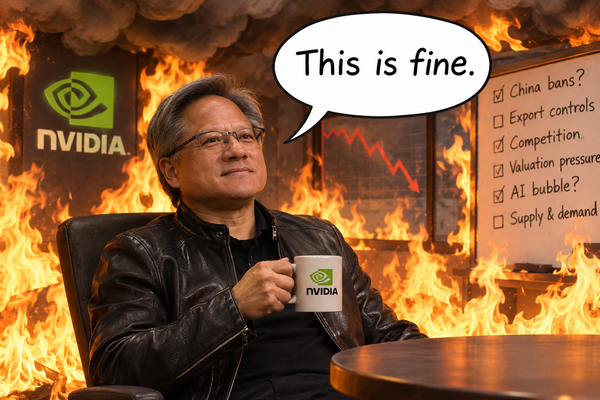
Since Sunday, $600 billion of Nvidia's value has burned. Not on chip demand or earnings — on a hotel video and a classified memo. The affair was the pin. The concentration of trust in one man's judgment was the bubble.
Product
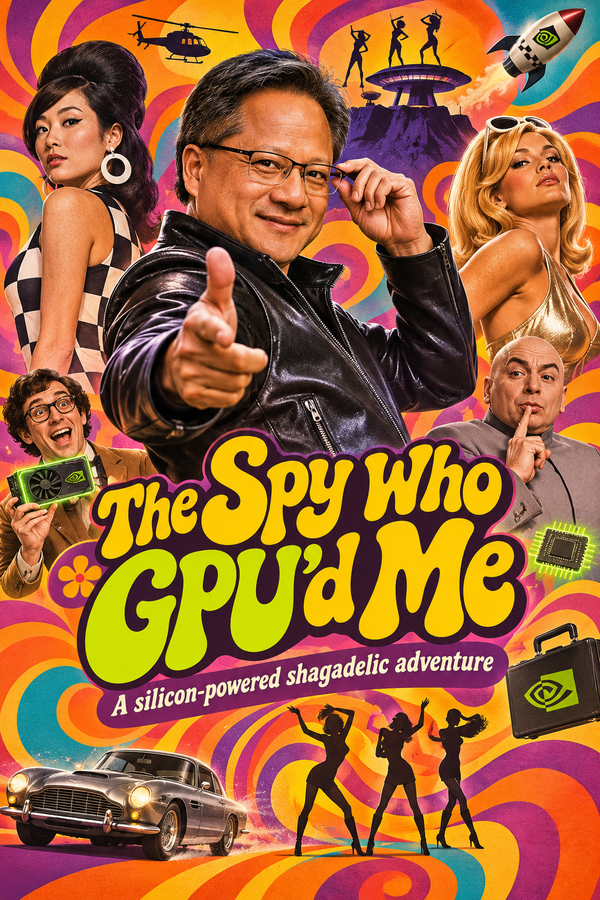
Nvidia lost $450B on Thursday. On Sunday, Jensen Huang admitted an affair with a woman US intelligence believes is a Chinese spy. Strip away the espionage and it's a story product people know well: what happens when the story is the product?
Tales and tips from a lifetime of Product Management
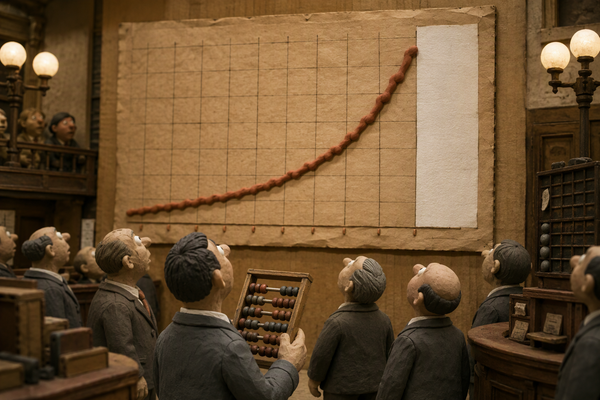
Anthropic's amended S-1 has an empty line where October's revenue should be. With a $1.5 trillion ask, $895B in compute commitments, and OpenAI's round coming up short, that blank is now the most important number in tech.

While the AI industry burns billions racing toward the frontier, Apple is betting that the real prize belongs to whoever makes the technology useful.
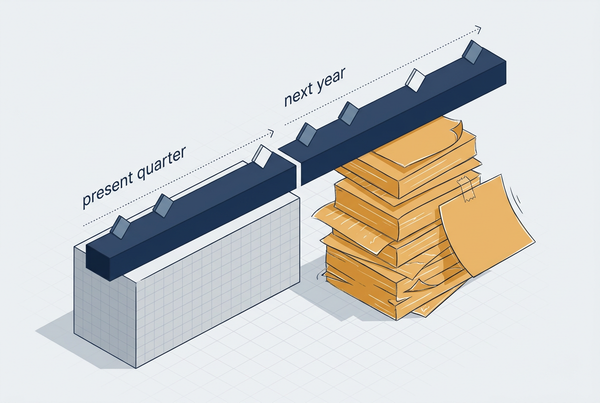
Every roadmap has an official version and an unofficial one. The unofficial one carries real risk and doesn't show up anywhere leadership looks, until it does.
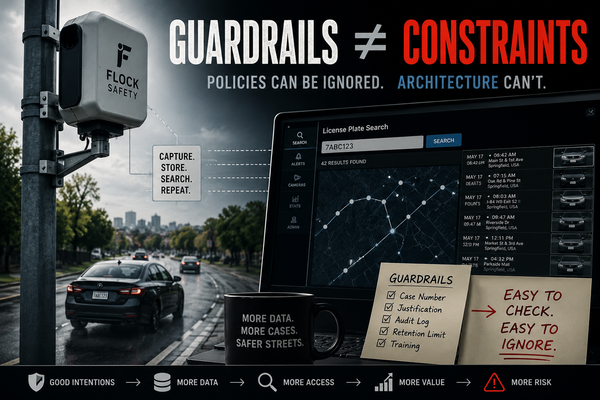
Move fast and break things works great when you can fix what broke. Surveillance is different: once the data exists and the capability ships, “guardrails” are often just policies standing between power and abuse. Hard constraints aren’t optional.

TiVo eventually collected $1.6 billion in patent settlements, which was almost enough to distract everyone from the fact that it had lost the actual business a decade earlier. A case study in revenue that funds avoidance.
You don’t involve Winston Wolf if you have a "strategy." You call Winston Wolf to handle a messy shit sandwich and after it's handled, Winston Wolf does not call you back or visit you. And product managers around the world are nodding their heads right now.

Faith-based product development runs on one belief: that a leader's confidence can substitute for a plan. Here's how to spot the symptoms before the gap between the story and the schedule collapses on you.
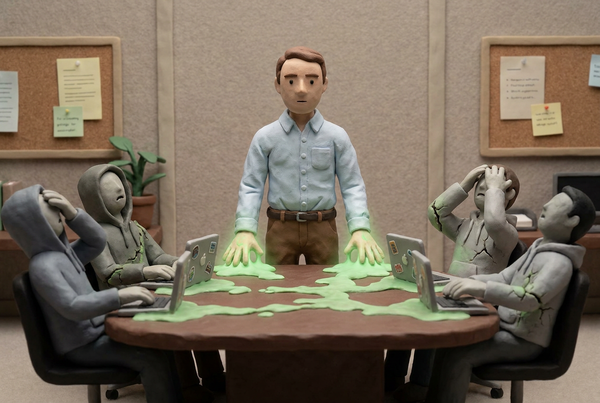
Toxic product management isn't rare — it's just rarely named. After watching one particularly bad case unfold firsthand, here's what actually lets unsuited PMs into roles where they can do real damage.

Substack shipped a scanner to catch AI writing, on a platform whose own growth playbook spent two years rewarding the exact posting volume now under suspicion. A look at what happens when you build enforcement for a problem your incentive structure created — and never touch the incentive.
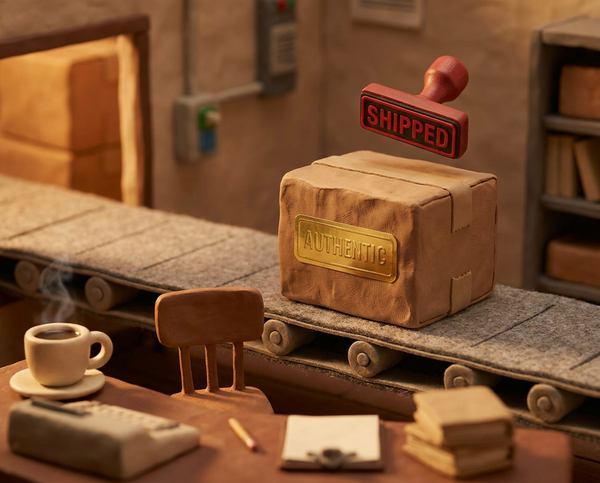
What a Senate campaign in Maine can teach you about proxy metrics, buyer/user splits, and shipping without QA, yeah, Product Management is a lifestyle
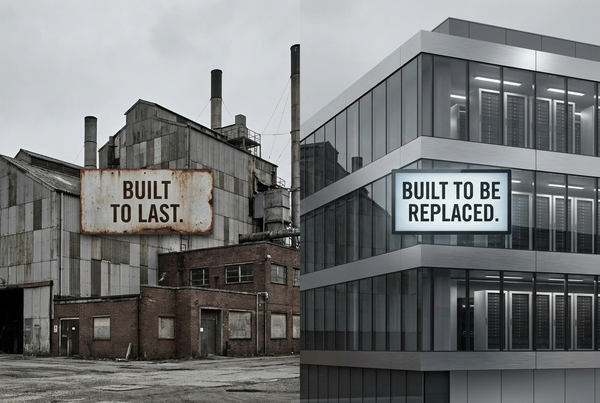
Everyone's calling the AI buildout 'industrial.' A fiberglass plant and a photomask shop are both industrial — and only one of them can fund itself.
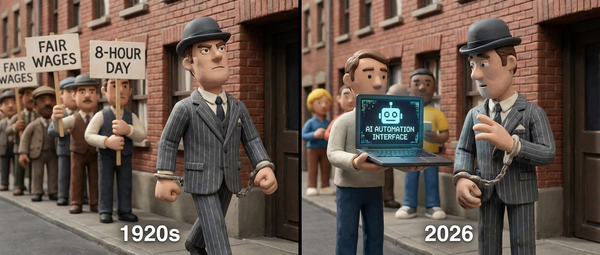
AI isn't disrupting product management as a category. It's disrupting the execution layer of it specifically. If you've been telling yourself you're on the strategic side of that line, this post is about whether that's true.